
Avoiding Common Pitfalls in Architectural Design in Indore


Understanding the Local Context
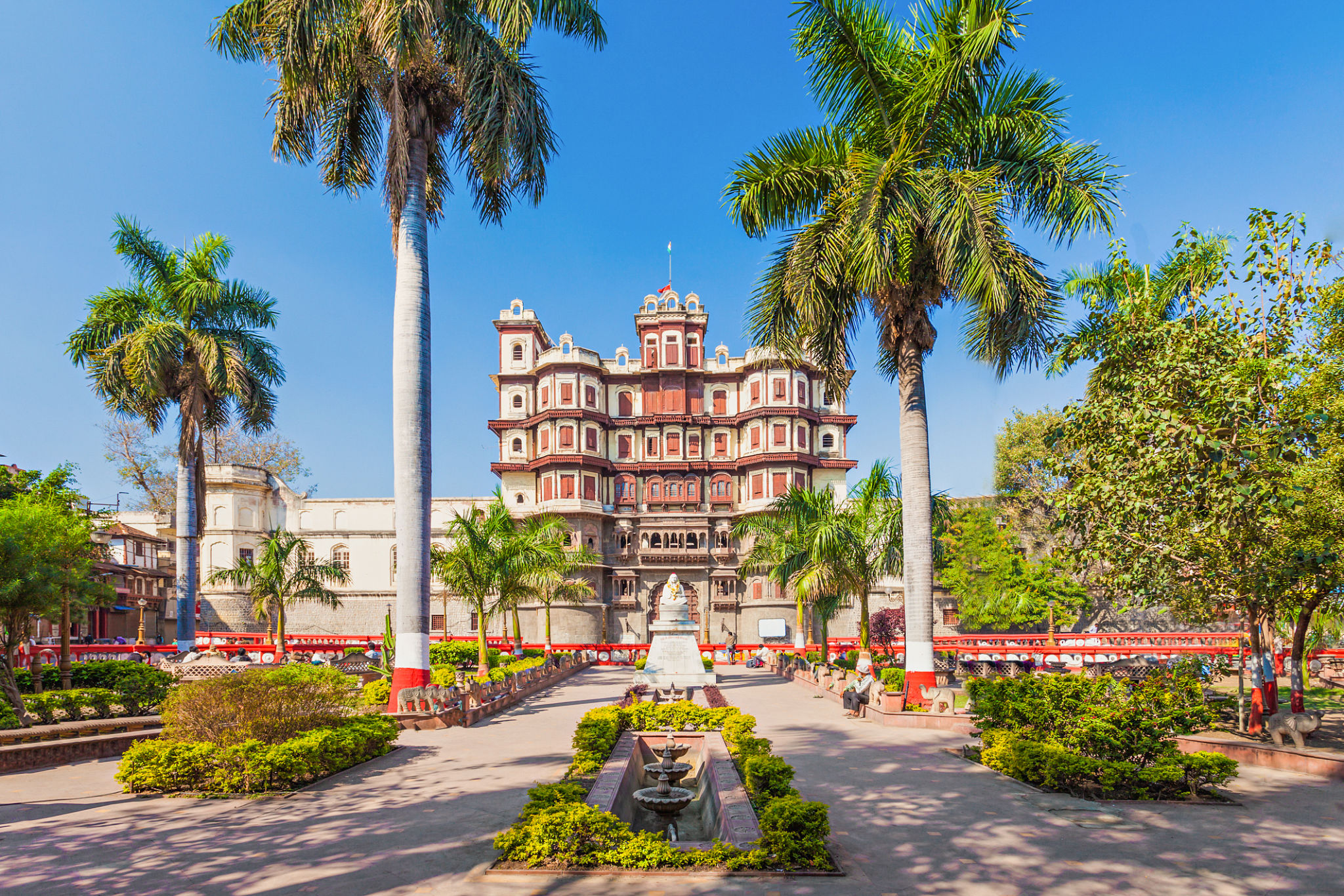
Architectural design in Indore, a city known for its rich cultural heritage and rapid urban development, presents unique challenges and opportunities. Understanding the local context is crucial for architects to avoid common pitfalls. The city's climate, cultural influences, and architectural history must be considered during the planning phase. Ignoring these factors can lead to designs that are not only inefficient but also out of place.
Climate Considerations
Indore experiences a diverse climate, with hot summers and mild winters. Designing buildings that are energy-efficient and comfortable year-round requires careful consideration of orientation, ventilation, and material choice. Failing to account for the local climate can result in increased energy consumption and uncomfortable living spaces. Utilizing passive cooling techniques and appropriate shading can significantly enhance a building's performance.
Cultural Sensitivity
Indore boasts a rich cultural tapestry that influences its architectural style. Incorporating elements that resonate with local traditions can create spaces that are both modern and culturally relevant. However, it's essential to strike a balance between innovation and tradition. Overemphasizing modern trends without respecting cultural nuances can lead to designs that feel disconnected from their surroundings.
Efficient Space Utilization
Space is often at a premium in urban areas like Indore. Efficient space utilization is key to achieving functional and aesthetically pleasing designs. Architects must consider multi-purpose spaces that cater to the diverse needs of residents. Ignoring this can lead to cramped and inefficient layouts that do not meet the requirements of modern living.
Functional Design
Functionality should be at the core of any architectural project. Designs that prioritize aesthetics over usability are often impractical and difficult to maintain. Ensuring that spaces are designed with the end-user in mind can prevent costly modifications and renovations down the line. Consideration of movement flow, accessibility, and natural light can greatly enhance functionality.
Material Selection
The choice of materials plays a crucial role in the durability and sustainability of a building. Selecting materials that are locally sourced and environmentally friendly can contribute to the overall sustainability of the project. Mistakes in material selection can lead to increased costs and environmental impact. Architects should prioritize materials that are both durable and sustainable.
Regulatory Compliance
Navigating the regulatory landscape in Indore is another critical aspect of architectural design. Compliance with local building codes and regulations is non-negotiable. Failure to adhere to these regulations can result in legal challenges and project delays. Staying informed about any changes in regulations and working closely with local authorities can help avoid these pitfalls.

Collaboration with Stakeholders
Successful architectural projects require collaboration with various stakeholders, including clients, contractors, and government bodies. Open communication and a clear understanding of project goals can prevent misunderstandings and ensure that the final design meets everyone’s expectations. Ignoring stakeholder input can lead to dissatisfaction and project inefficiencies.